When Even a Reagan Judge Says It’s Illegal
It takes a lot to shock federal courts. But when a Reagan-appointed judge rules that a Trump Energy Secretary illegally assembled a secret panel of climate deniers to undermine clean air protections, that’s not partisan outrage. That’s a red flag.
COURTSECONOMICSTRUMPPOLITICS
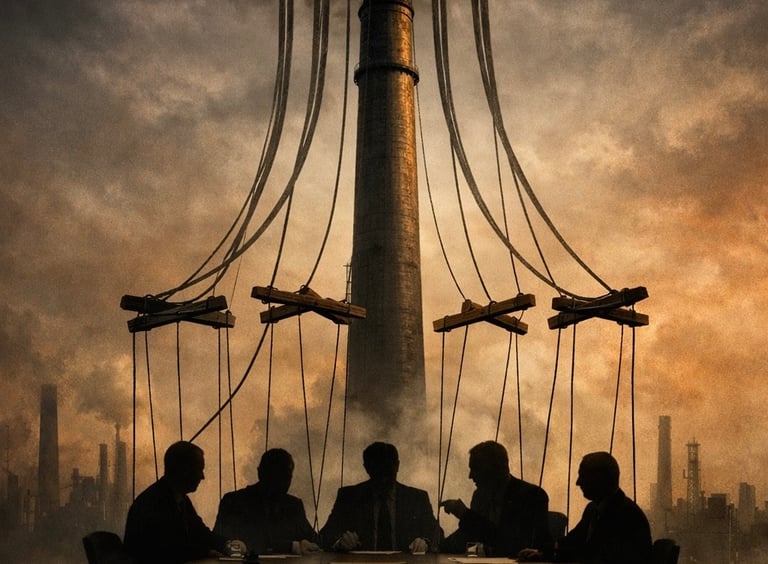
It takes a lot to shock federal courts. But when a Reagan-appointed judge rules that a Trump Energy Secretary illegally assembled a secret panel of climate deniers to undermine clean air protections, that’s not partisan outrage. That’s a red flag.
According to the ruling, the panel was not merely controversial. It was unlawfully constructed. It bypassed transparency requirements. It ignored established scientific processes. And it appears to have been designed to deliver a predetermined conclusion: weaken environmental safeguards.
This wasn’t policymaking. It was manipulation.
A “Secret Panel” and a Predetermined Outcome
Federal advisory panels are required to follow strict rules. They must be balanced. They must disclose conflicts. They must operate transparently. Those guardrails exist for a reason: to prevent industry capture and political interference from distorting science that affects public health.
Instead, the court found that the Energy Department sidestepped those requirements. Qualified mainstream climate scientists were excluded. Critics of environmental regulation were elevated. The process was opaque.
If you already know the conclusion you want, you don’t convene experts to learn. You convene loyalists to justify it.
That’s not how science works. And it’s not how the law allows federal agencies to operate.
Sabotaging Clean Air Protections
Why does this matter?
Because these reports aren’t academic exercises. They shape regulations governing air quality, emissions standards, and public health protections. They determine whether children breathe cleaner air or inhale more pollutants. They influence whether industries must curb emissions or get a regulatory free pass.
When a federal agency cooks the books, the consequences land in hospital wards, asthma rates, and climate impacts—not just in legal briefs.
The court’s ruling makes clear that this wasn’t simply a policy disagreement over climate change. It was a violation of procedural law designed to safeguard public trust.
Not Following the Law. Not Following the Science.
The most striking aspect of the ruling is who delivered it. A judge appointed by Ronald Reagan—a conservative icon—hardly fits the caricature of an environmental activist on the bench.
When a Republican-appointed judge concludes that a Republican administration acted unlawfully to skew science, that should end the reflexive cries of “judicial activism.”
This isn’t about ideology. It’s about process. About legality. About whether federal agencies are bound by rules or free to bend them when politically convenient.
You can debate energy policy. You can argue over the pace of climate regulation. But you cannot secretly rig advisory panels to manufacture justification for dismantling protections.
That crosses the line from policy into abuse of authority.
The Bigger Pattern
This episode fits a broader pattern seen throughout the Trump administration: sideline career experts, elevate loyalists, weaken oversight, and push through deregulatory outcomes under the veneer of official process.
The strategy is simple. Undermine the credibility of climate science. Populate advisory bodies with skeptics. Produce reports that cast doubt. Then use those reports to justify rolling back environmental rules.
But the law still matters. And in this case, the court said so.
The Real Betrayal
The betrayal isn’t abstract. It’s not just about carbon models or regulatory footnotes.
It’s about whether public institutions serve the public—or a political agenda.
It’s about whether decisions affecting millions are grounded in transparent, balanced expertise—or quietly engineered behind closed doors.
When government officials ignore both the law and the science to achieve a desired political outcome, they erode more than environmental safeguards. They erode trust.
And once trust in public institutions is broken, rebuilding it is far harder than passing or repealing a regulation.
The court has drawn a line. The question now is whether those entrusted with power will respect it—or look for new ways around it.
AI Generated Image
itsmyview.com © 2023-2025 All Rights Reserved
It's My View empowers people with the knowledge and tools to participate in meaningful political discourse and contribute to positive change.
Reframe your inbox
Subscribe to my blog and never miss a story.
We care about your data in our privacy policy.